Common DAM Challenges and How to Solve Them
Digital Asset Management (DAM) is an essential tool for businesses looking to efficiently store, organize, and distribute their digital assets. However, like any technology solution, DAM systems come with their own set of challenges. In this blog post, we will explore some of the most common DAM challenges that organizations face and provide solutions to help overcome them.
Lack of User Adoption
One of the most common challenges organizations face when implementing a DAM system is a lack of user adoption. Employees may be resistant to change or find the system difficult to use, leading to low adoption rates and underutilization of the platform. To address this challenge, it is important to provide training and support to users to help them understand the benefits of the DAM system and how to use it effectively. Additionally, involving key stakeholders in the decision-making process and soliciting feedback from users can help ensure that the system meets their needs and is user-friendly.
Inconsistent Metadata
Another common challenge in DAM systems is inconsistent or incomplete metadata. Metadata is essential for organizing and searching for digital assets, but if it is not consistently applied or is missing altogether, it can make it difficult for users to find the assets they need. To address this challenge, organizations should establish clear guidelines for metadata creation and ensure that all users are trained on how to apply metadata consistently. Additionally, implementing automated metadata tagging tools can help streamline the process and ensure that assets are properly tagged.
Limited Integration with Other Systems
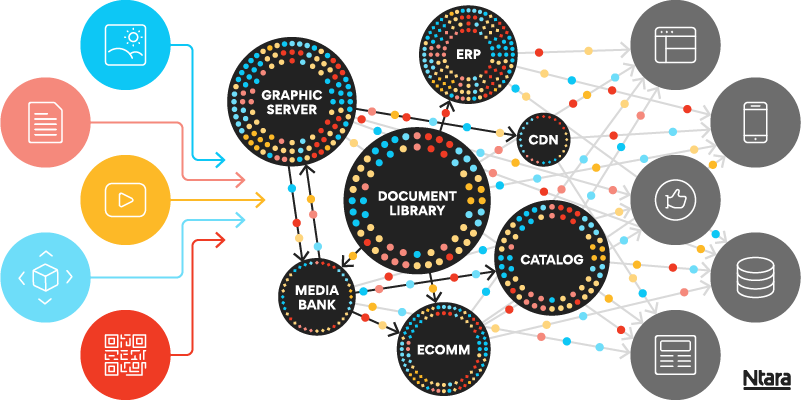
Many organizations use a variety of software systems to manage their digital assets, such as content management systems, project management tools, and marketing automation platforms. One of the challenges organizations face with DAM systems is limited integration with these other systems, making it difficult to share assets across platforms and workflows. To address this challenge, organizations should look for DAM systems that offer robust integration capabilities or consider implementing middleware solutions to facilitate data exchange between systems. By integrating their DAM system with other key platforms, organizations can streamline workflows and improve efficiency.
Security and Permissions Issues
Security is a top concern for organizations when it comes to managing their digital assets. DAM systems store sensitive and valuable assets, so it is crucial to have strong security measures in place to protect against unauthorized access or data breaches. One common challenge organizations face is managing permissions and access control within the DAM system, particularly as the number of users and assets grows. To address this challenge, organizations should establish clear permissions policies and regularly review and update user access levels to ensure that only authorized users have access to sensitive assets. Additionally, implementing encryption and other security measures can help protect assets from unauthorized access.
Scalability and Performance
As organizations grow and their digital asset libraries expand, they may encounter challenges related to scalability and performance in their DAM system. Slow load times, limited storage capacity, and difficulty managing large volumes of assets can hinder productivity and impact user experience. To address this challenge, organizations should regularly assess their DAM system's performance and scalability and make adjustments as needed to accommodate growth. This may involve upgrading hardware, optimizing workflows, or implementing caching mechanisms to improve system performance. Additionally, organizations should consider cloud-based DAM solutions, which can offer greater scalability and flexibility to accommodate growing asset libraries. By addressing these common DAM challenges and implementing effective solutions, organizations can maximize the value of their digital asset management system and improve overall efficiency and productivity.