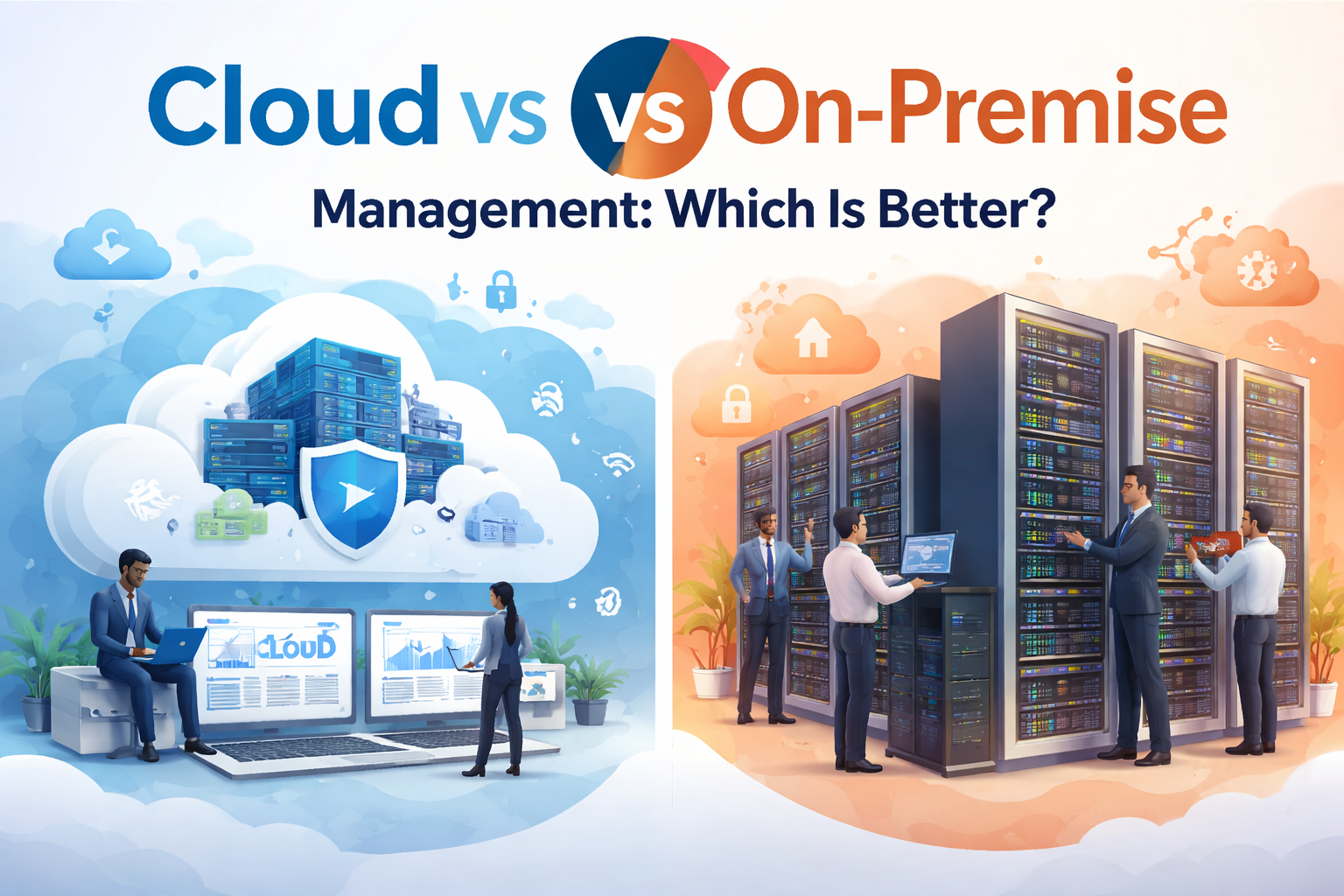
Cloud vs On-Premise Management: Which Is Better?
In today's digital age, businesses are faced with the decision of whether to opt for cloud-based management solutions or stick with traditional on-premise systems. Both options have their own set of advantages and disadvantages, making it crucial for organizations to carefully weigh their options before making a decision. In this blog post, we will explore the differences between cloud and on-premise management and discuss which option may be better suited for your business needs.
Cost Considerations
One of the key factors that organizations must consider when choosing between cloud and on-premise management is cost. Cloud-based solutions typically involve a subscription-based model, where businesses pay a monthly or annual fee for access to the software. On the other hand, on-premise systems require a larger upfront investment for hardware and software licenses. While cloud solutions may seem more cost-effective in the short term, on-premise systems may prove to be more economical in the long run, especially for larger organizations with complex IT requirements.
Scalability and Flexibility
Another important consideration when choosing between cloud and on-premise management is scalability and flexibility. Cloud solutions are often more scalable, allowing businesses to easily add or remove users and resources as needed. This flexibility can be particularly beneficial for businesses with fluctuating workloads or seasonal demands. On the other hand, on-premise systems may be more limited in terms of scalability, requiring organizations to invest in additional hardware and software to accommodate growth.
Security and Compliance
Security is a major concern for businesses of all sizes, and it is important to consider how both cloud and on-premise management solutions stack up in terms of security and compliance. Cloud providers typically invest heavily in security measures to protect their customers' data, including encryption, firewalls, and regular security audits. However, some organizations may have concerns about storing sensitive data in the cloud, especially if they operate in highly regulated industries. On-premise systems offer more control over data security, but they also require organizations to invest in robust security measures to protect their data.
Maintenance and Support
Maintenance and support are important considerations when choosing between cloud and on-premise management solutions. Cloud providers typically handle maintenance and updates, freeing up IT staff to focus on more strategic initiatives. However, organizations may have limited control over when updates are applied, which can potentially disrupt operations. On the other hand, on-premise systems require organizations to manage maintenance and updates themselves, which can be time-consuming and resource-intensive. Additionally, on-premise systems may require more technical expertise to troubleshoot issues, whereas cloud providers often offer 24/7 support.
Accessibility and Collaboration
Accessibility and collaboration are key considerations for businesses that have remote or distributed teams. Cloud-based management solutions offer greater accessibility, allowing employees to access data and applications from anywhere with an internet connection. This can be particularly beneficial for businesses with remote workers or employees who travel frequently. On-premise systems may be more limited in terms of accessibility, requiring employees to be physically present in the office to access data and applications. Additionally, cloud solutions often offer collaboration tools that make it easier for teams to work together on projects, regardless of their physical location.
In conclusion, the decision between cloud and on-premise management ultimately depends on the unique needs and requirements of your organization. While cloud solutions offer greater scalability, flexibility, and accessibility, on-premise systems may be more cost-effective in the long run and offer greater control over data security. It is important for organizations to carefully evaluate their options and consider factors such as cost, scalability, security, maintenance, and accessibility before making a decision. Ultimately, the right choice will depend on your organization's specific needs and priorities.